

Full finite-element runs took hours each, so early design reviews could only compare a handful of options. Ordinary machine-learning models were fast, but their answers broke basic physics.
Case study — Civil engineering
Physics-informed models for structural analysis.
How an engineering team got fast, physically sensible estimates where full simulation was too slow to run for every option.
Client
Structural engineering firm (name withheld)
Disciplines
Machine learning, simulation
Engagement
Feasibility study, build
Delivered
Physics-informed neural models, evaluation suite, API

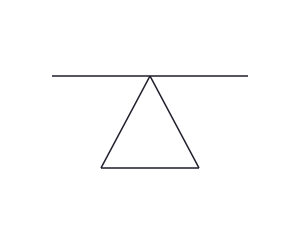
Fig. 1 — The kind of structure the models were trained to reason about.
01The problem
02Our approach
We trained neural networks with the governing equations built into their training, so predictions had to respect equilibrium and boundary conditions. The feasibility study measured them against full simulations the firm already trusted before anything was built.
“Fast enough for the meeting, sensible enough to trust.”
Structural lead, client team — quote to be confirmed
ARCHITECTURE · v2SHEET 3/7
App
API
Models
Queue
Database
deployed ✓
Fig. 2 — The model service as handed over: inputs, physics-informed model, checks.
03What we delivered
Physics-informed models for the load cases the team uses most, an evaluation suite that compares them with full simulation, and an API their design tools call directly.
04The result
Early design reviews can now compare many more options before committing to full simulation. Replace this paragraph with the measured outcome once the client has approved the figures.